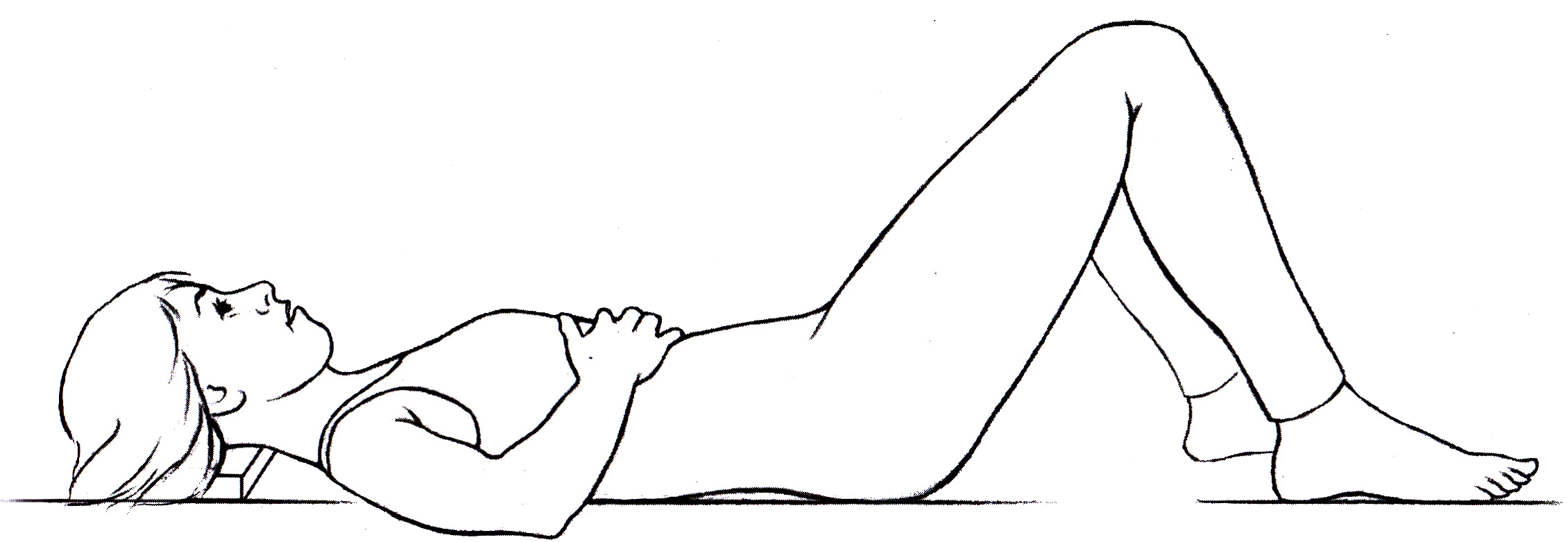


The idea of separating body, mind, and spirit creates a limited and fragmented view of who we are. We are conditioned to be unhappy, and as a result, we have created materialistic and egocentric societies. Now, we are starting to realize that what we still know least about is ourselves.
In many ways, stress is a modern dysfunctional condition. Often, the pace of life is faster than our nervous system can process. We feel overwhelmed.
Our brains are wired to see problems, looking for the negative as a way to challenge the present and protect us from danger. But fear now is very different from 10,000 years ago, or even 1,000 years ago. Now fear has become a habitual tendency dependent on how much exposure we have to multimedia and the excess of information constantly available.
“Do not fear” is the most common phrase in ancient texts: The Bhagavad Gita, the Nag Hammadi, The Torah, the Bible (new and old testament), the forbidden books of the Bible, like the book of Timothy. In every single ancient religious text is do not fear or some variation of that. The king James of the Bible says do not fear 100th times.
In many ways, the excess of information creates a permanent tendency for the mind to focus on the external world to the detriment of the internal one. In many ways, this creates different forms of addictions, and as Dr. Gabor Maté says, “Addiction is a spiritual void.” In most cases, it is an unnatural and disconnected way in which the ego separates the self from itself and from others.
These tendencies have been accelerated by high-speed information and our inability to cope with the present moment. If our mind is always busy and afraid, our ability to question is deeply degraded and jeopardized. Our brain is on alert most of the time, and it works only with the reptilian part while the frontal lobe is off.
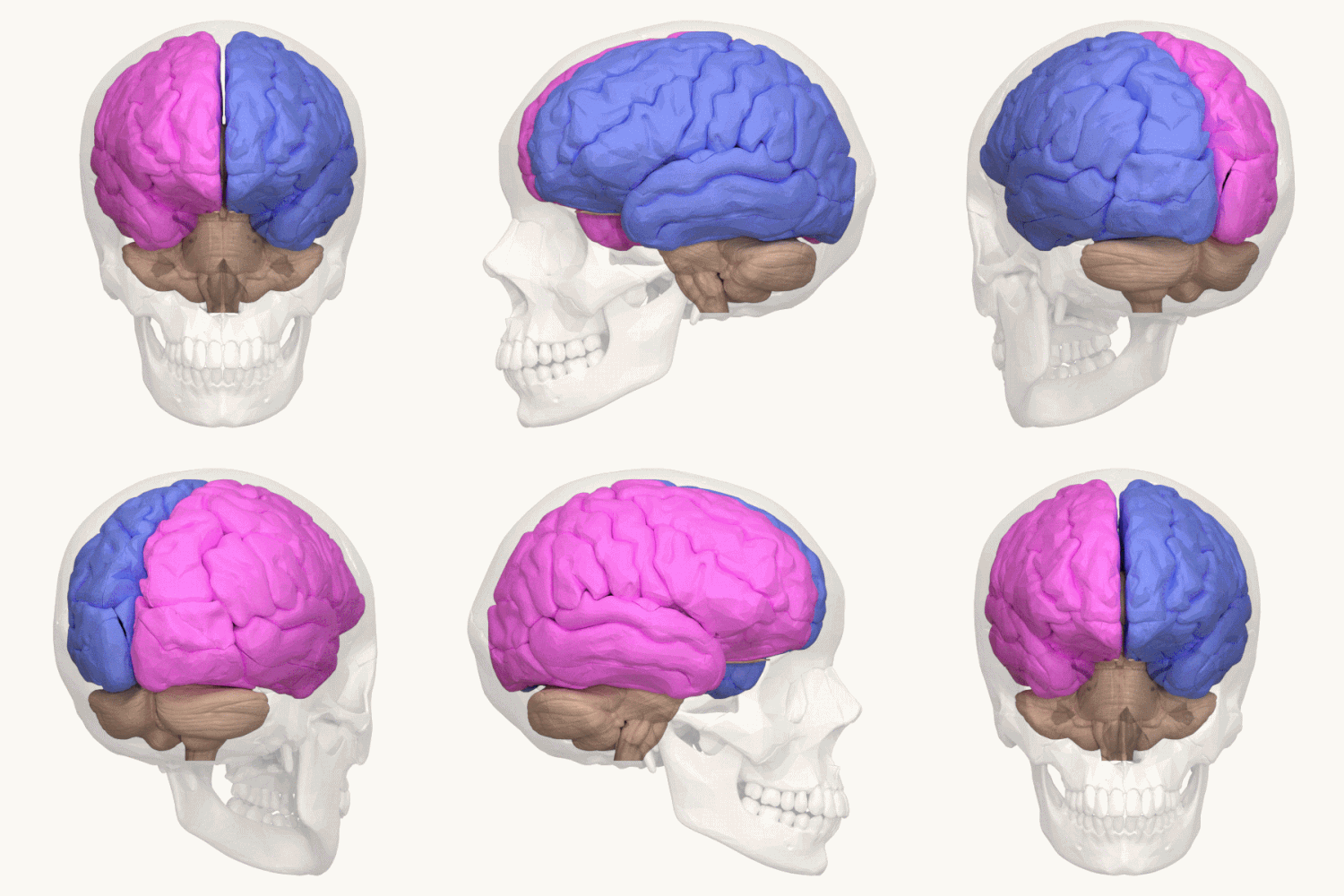
How can we rewire our brain and change bad habits?
Because most people feel like that, we don’t see it as a problem. But the connection between these self-defeating strategies can cause social isolation, depression, anxiety, and disease.
The first step is to acknowledge the problem and take responsibility for it. The main issue is the lack of awareness. We don’t fully understand who we are or how we think. As we begin to recognize the connection (or disconnection) between our thought process and the tension experienced in our body, we also become aware of how we treat our nervous system.
As we phase in different awareness we see the model of resilience in these distinct phases:
- Unconscious incompetence.
- We don’t know how to do something, and we don’t even know that we don’t know.
- Conscious incompetence.
- This is an “Oh s##t!” circuit. We don’t know how to do something, and we suddenly realize we don’t know.
- Conscious competence.
- This is the phase in which we know how to do something, and we know that we know. Through all of our new experiences, resources, tools, and techniques, We are learning.
- Unconscious competence.
- Once we know how to do something well and practice doing it again and again, the new skill becomes wired into our implicit procedural memory. Our wise effort becomes increasingly effortless.
As we navigate in these human phases, and become aware of and understand the way we think and where we are in this moment. We can start understanding our needs, and consciously create strategies that allow us to become more resilient.
The main change lies in how we create resilience. It is the way we skillfully respond to such unwelcome challenges. Resilience is the capacity to respond to pressures and tragedies quickly, adaptively, and effectively. Researchers have found that there is no single best or infallible way to cope with difficulties.
Adapting our coping to a specific challenge is the skill that allows us to find our footing when we are thrown off balance by the unknown, stress, or trauma. Responding flexibly can carry us through the ups and downs of our days.
Two tools helps me to achieve my goals by focosing in the process the means whereby: Meditation and Gratitude exercises.
- Meditation allows me to observe my mind and learn how I use my thought process
- Gratitude helps to change the way I see my life, and that changes everything.
This is how I apply the Alexander Technique and other processes:
- Awareness is the first step
- As we become more conscious and aware we expand the number of choices, because we become more creative.
- Ask questions:
- How do I know what I know?
- What happens to me?
- What triggers me?
- Inhibition or the ability to say NO, when it is necessary
- Recognize if I am available or not for more exposure myself to stress
- Ask for a moment to see if it is possible or not to take more projects to think more deeply
- Pause to breathe and then respond instead of react.
- Direction or conscious direction, is where you are able to think what you want by creating a gap between stimulus and response.
As the student come to a lesson, I observe how the student talk, move and connect the body and the mind. In other words, I start understanding how the students use themselves.
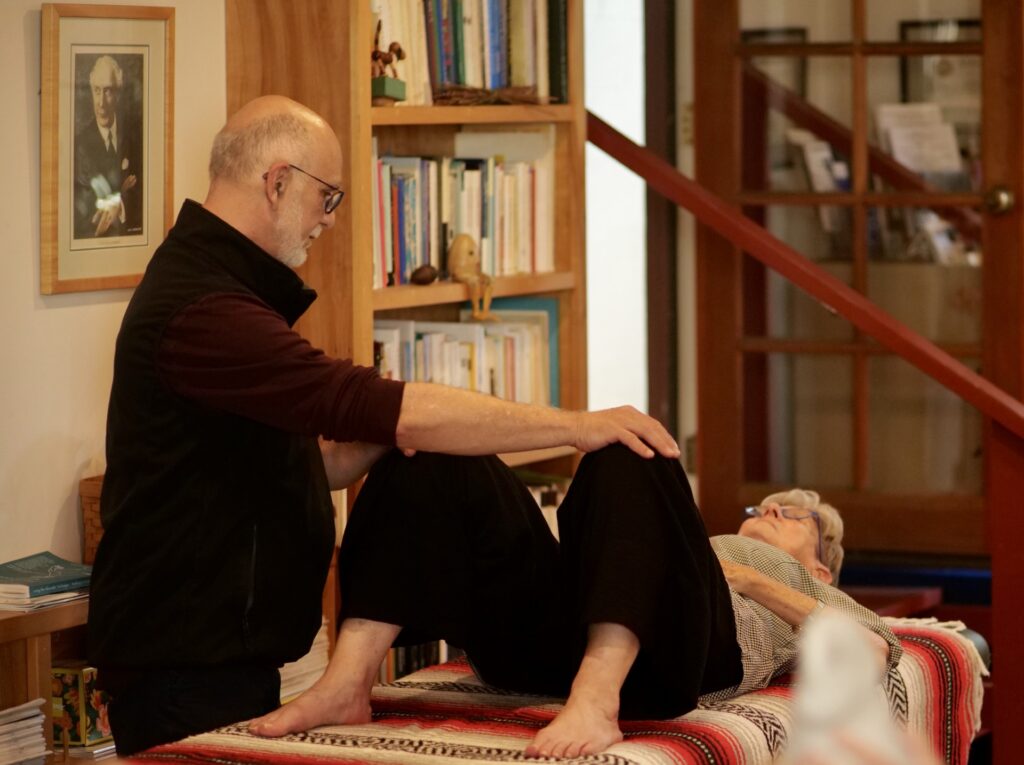
As I understand how the student perceives themselves, I begin to ask questions based on my perception of them. These questions help the student and me synchronize our perspectives and develop strategies for the student to change whatever we believe is necessary.
As I work with the student hands one and verbal guidance, the student sense of perception become mor accurate, and we start to have mor choices as we evolve. As we believe that we have more choices our nervous system start to slow down, and we are able to activate the frontal lobe of our brain, we realized that we don’t need to be dominated by fear responses, but a conscious responses.
Below are the many different techniques and tools that I use in my teachings:
- Start understand the body performance and the connection with the nervous system and the resilience state.
- See the state of affairs.or what you are at the phases of consciousness.
- As the body and mind start slowing down, and decompress and stop depressing itself, the real control start to emerge.
- Study the basic concepts of NVC, Nonviolence Communication by Marshal Rosenberg
- Study the basic concepts of Bouncing Back: Rewiring Your Brain for Maximum Resilience and Well-Being book by Linda Graham.
- Study the basic concepts of Body Keeps Score, Brain, Mind, and Body in the Healing of Trauma book by Bessel Van Der Kolk, M.D.
If this resonates with you, the next step is simple. Head to my Contact page above, or feel free to comment on this post. No commitment is required—just show up, breathe, and let’s explore how you move.
Leave a Reply