-

The idea of separating body, mind, and spirit creates a limited and fragmented view of who we are. We are conditioned to be unhappy, and as a result, we have created materialistic and egocentric societies. Now, we are starting to realize that what we still know least about is ourselves. In many ways, stress is…
-
How to learn to stop overthinking Find balance and guide your thinking to reduce overthinking and sharpen memory — especially for performers and public speakers who rely on memorizing their material.
-

Today in class, I was feeling impatient. But as I noticed it, I was able to acknowledge the fact, take responsibility, and generate positive energy and the power to choose my reactions. As my students spoke, I had the opportunity to recognize my feelings, and by waiting for my turn to speak, I expanded my…
-
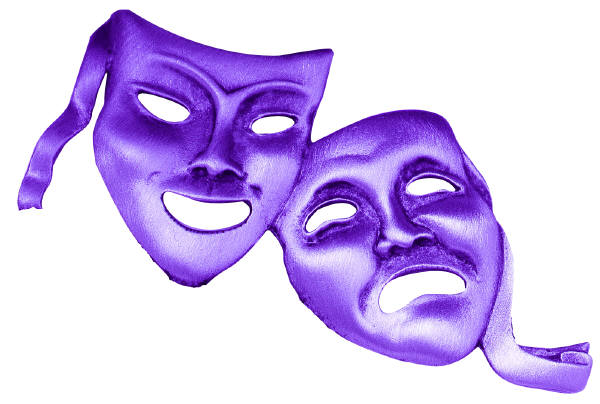
I have been working with actors for many years and always notice how most of them struggle with fear of failures and how to build confidence about themselves. Very often in my conversations, even when students actors know their lines, and they have time to develop their character and to rehearsal, they assume that they…
-
Modern neuroscience research suggests that our brains process vast amounts of sensory information continuously, with only a small fraction reaching conscious awareness. While the specific numbers often cited (11 million bits processed versus 40 bits conscious) come from dated estimates and should be interpreted cautiously, the fundamental principle remains valid: our conscious mind accesses only…
-
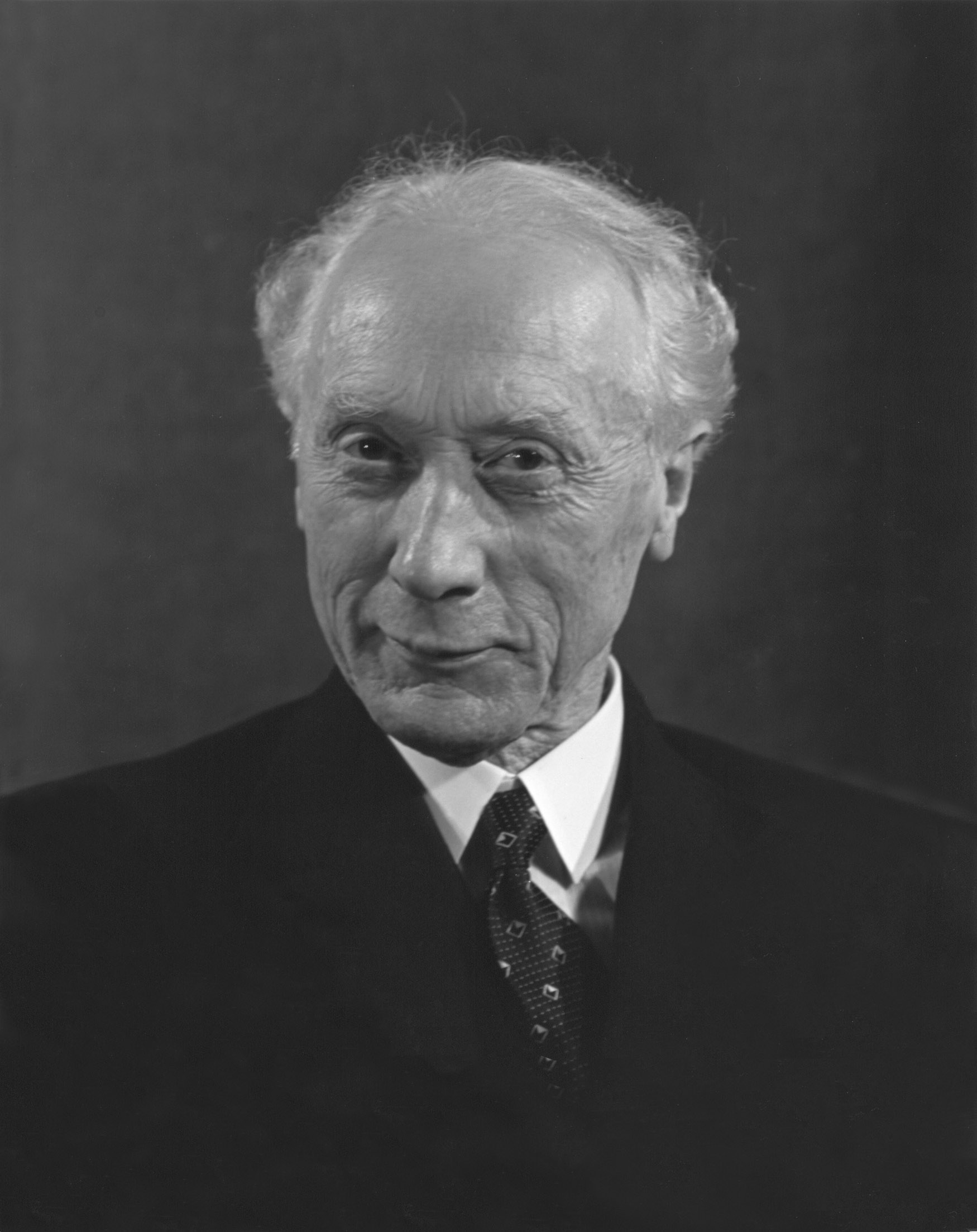
The Alexander Technique is a method of self-awareness for performers to uncover and transform unconscious patterns of movement and thought, leading to increased freedom, ease, and control in their performances. It focuses on how the mind and body work together, enabling performers like musicians, singers, dancers, and actors to achieve better coordination, posture, breath control,…
-
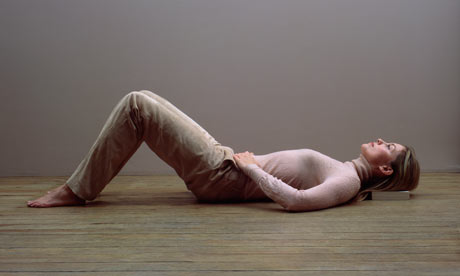
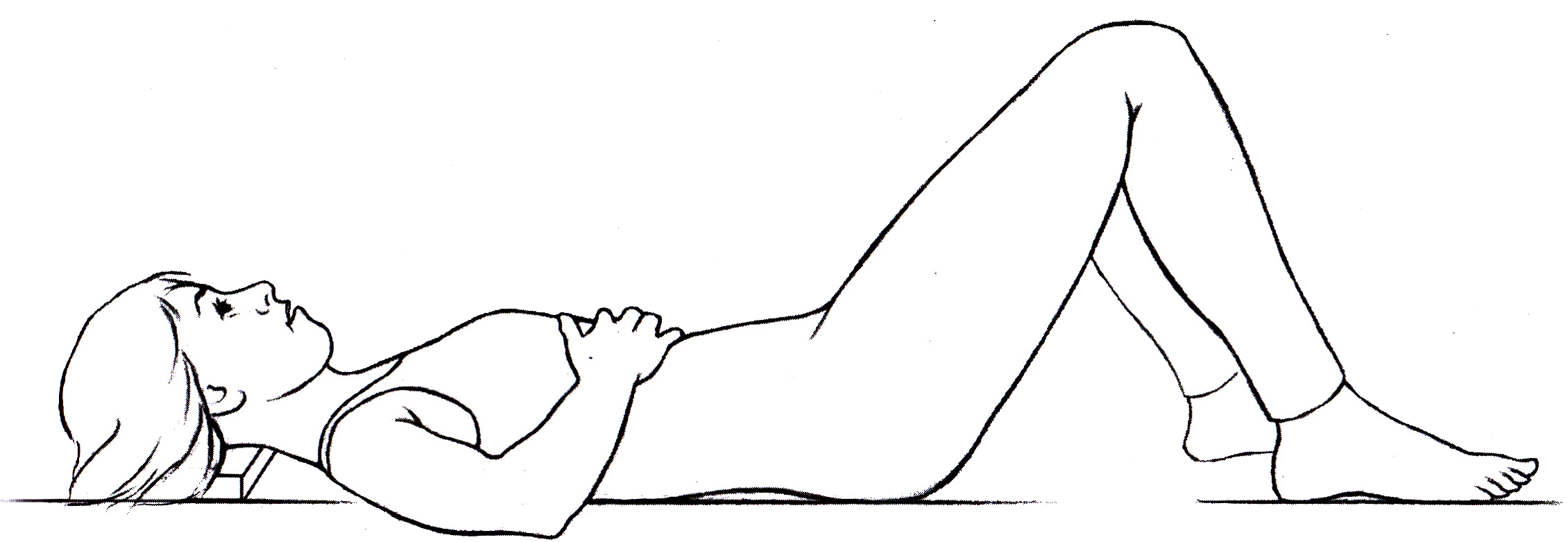
Semi-Supine Active or Constructive Rest Sometimes, the simplest moments carry the deepest wisdom. It is your ability to use perception and open the space always within reach, but over stimulation and overthinking patterns often limit this possibility. The constructive rest is an exercise that affects the whole system and has both direct and indirect effects…